
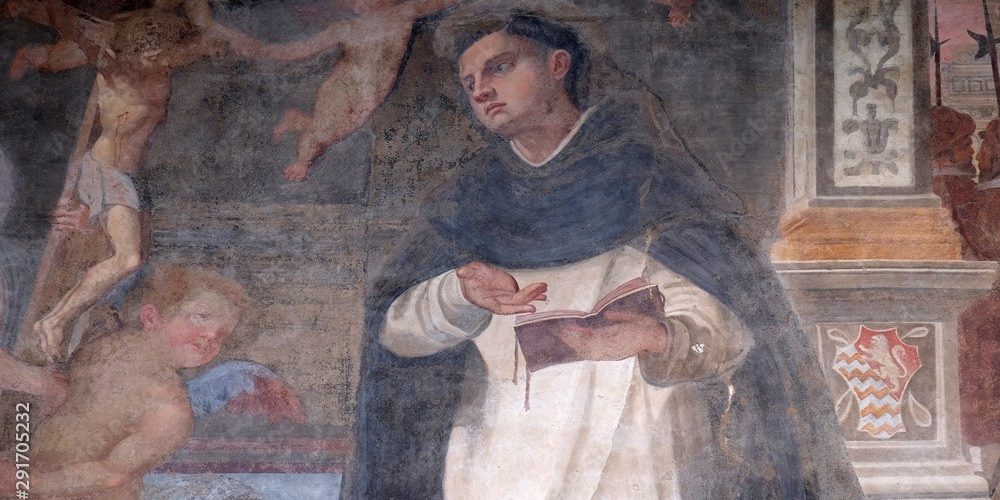
How to Think Like a Thomist: Act and Potency
How can the water in a river always be flowing by and yet it remains the same river? By wrestling with this and various puzzles regarding change, Aristotle discovered the distinction between act and potency or actuality and potentiality. Aristotle realized that all the things in nature are a blend of act and potency, like the water. For example, an acorn is potentially a fully-grown oak tree; a child is potentially a grown man; and, the water in the ocean is potentially a rain cloud over land. Aristotle realized that change consists of the actualization of the potentiality latent within the things of nature. In this video, you’ll learn one of the most fundamental components of reality.
This Aquinas 101 video is a production of the Thomistic Institute. For resources and more information, please visit Aquinas 101.
Come back each week as we will continue to release videos in this series called “How to think like a Thomist.”
Image Credit: Zatletic | Adobe Stock
Credo Editors
This article is brought to you by the Credo Editors
Advertisment
