Podcast Throwback: Why Do Christians Need Natural Theology?
T he heavens declare the glory of God, and the sky above proclaims his handiwork (Psalm 119:1). With this reverberating tribute to God’s design, we learn that David, a man who had the special revelation of God through Moses, can also appreciate what it is that the natural order teaches about God. Many Christians today acknowledge God’s beauty in creation, but struggle to understand the full implications of such a natural theology. Others, being Protestants, are hesitant to fully embrace what they perceive to be a Catholic doctrine.
In this podcast, Steven Duby and Matthew Barrett discuss the necessity of natural theology for Christians today. By showing the eternal wisdom of God’s plan and his providential guiding hand in creation, they make the case for a robust, and biblical, natural theology. In doing so, they discuss general and special revelation using texts like Romans 1, Acts 17, and the Psalms. Additionally, they outline some of Aquinas’ essential work on natural theology and discuss some objections to it, notably those of Karl Barth.
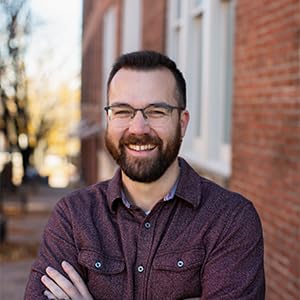
Matthew Barrett

Steven J. Duby
Steven J. Duby (PhD, University of St. Andrews) is associate professor of theology at Phoenix Seminary in Scottsdale, Arizona. He is the author of God in Himself: Scripture, Metaphysics and the Task of Christian Theology and Divine Simplicity: A Dogmatic Account.
Advertisment