
Archive for October 2024
Demythologizing the Reformation
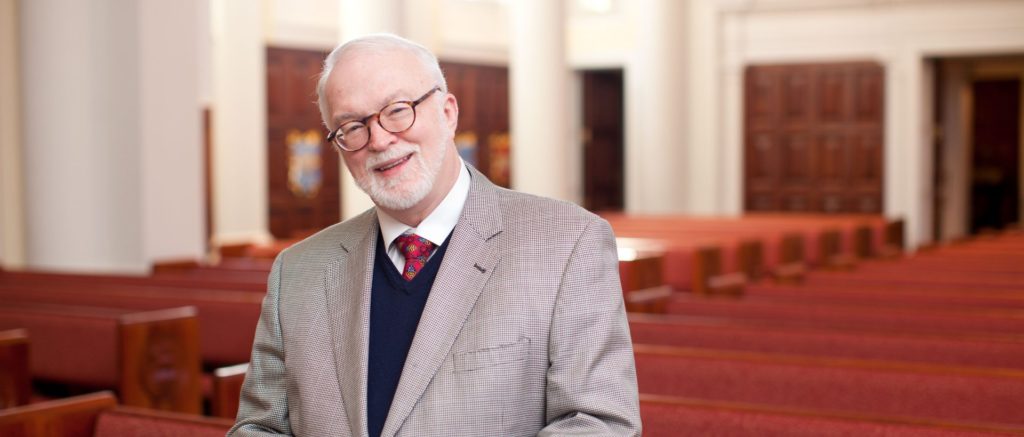
In celebration of Reformation Day this week, we have invited Timothy George to share some thoughts. The following is his Afterword to Matthew Barrett’s book, The Reformation as Renewal: Retrieving the One Holy Catholic and Apostolic Church, which is on sale this week only. George helpfully challenges us to see more of the Reformation by…
Read MoreA Reformation Road Map
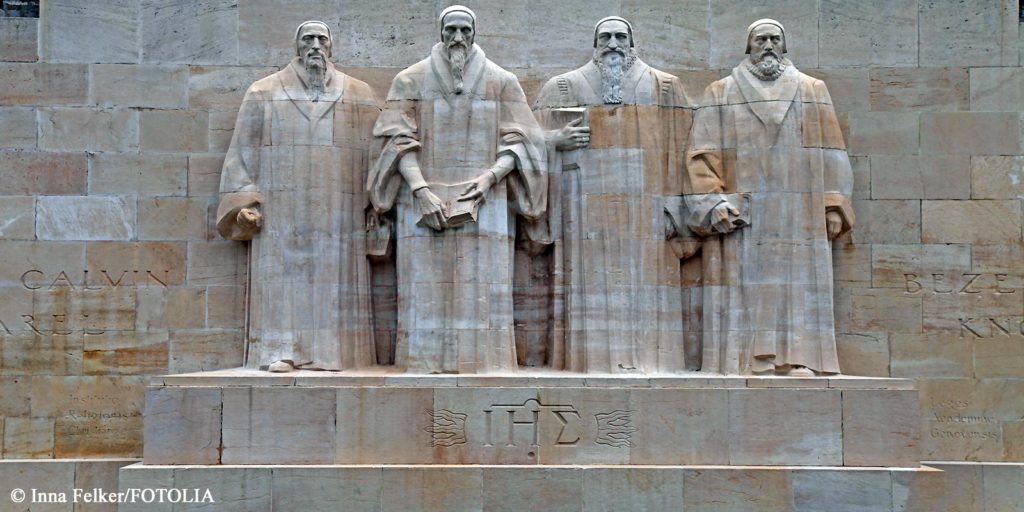
In celebration of Reformation Day this week, we have invited Carl Trueman, one of our Credo Fellows, to share some thoughts. The following is his Foreword to Matthew Barrett’s book, The Reformation as Renewal: Retrieving the One Holy Catholic and Apostolic Church, which is on sale this week only. Trueman calls for a new day…
Read MorePodcast Highlight: Will the real Luther please stand up?
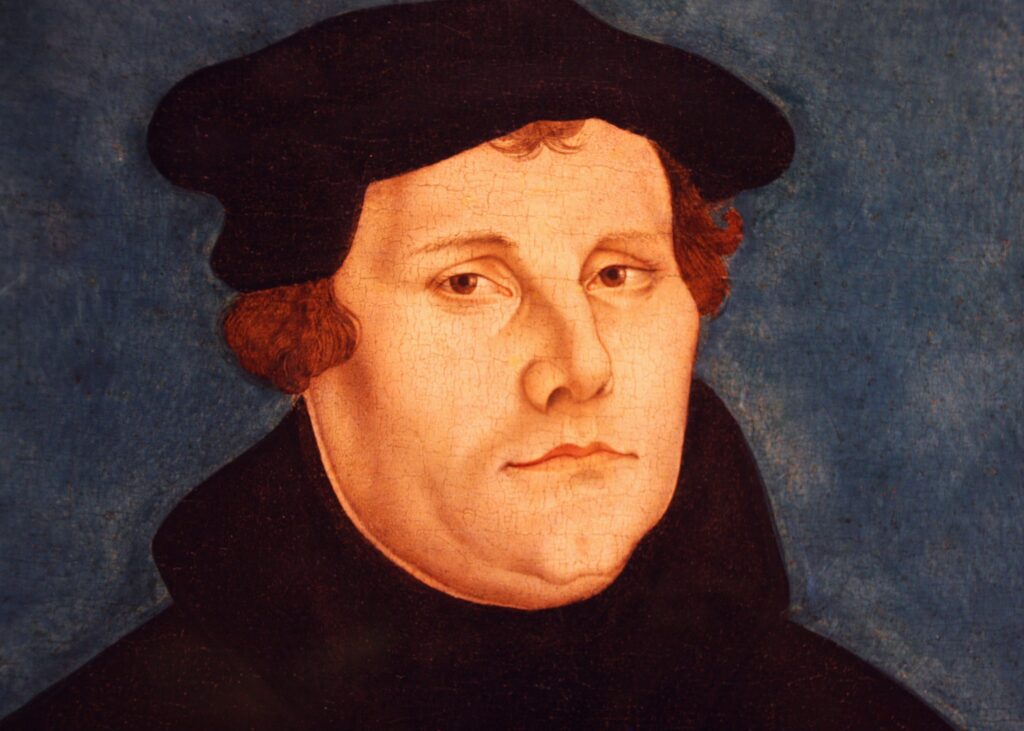
In honor of Reformation Day, this week we are highlighting different resources that shed light on the importance of the Reformation. In this podcast episode, Samuel Bierig asks Matthew Barrett, author of the new book The Reformation as Renewal, to introduce us to another side of Martin Luther, that side of Luther often forgotten. Though…
Read MoreHow the Bible Started Luther’s Revolution
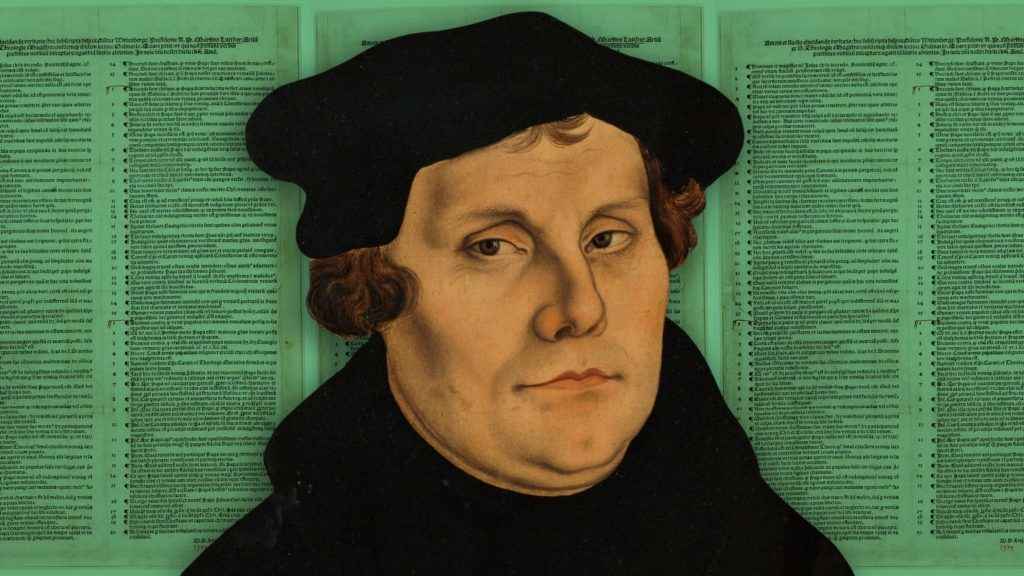
The young, newly ordained Catholic priest stood in front of the church, ready to officiate his first mass. These priests were expected to have clean hearts before officiating—no sin unconfessed. No heart of stone unturned. But as Martin Luther began to recite the introductory portion of the mass, with the bread and wine on the…
Read MoreInferno, Canto 32
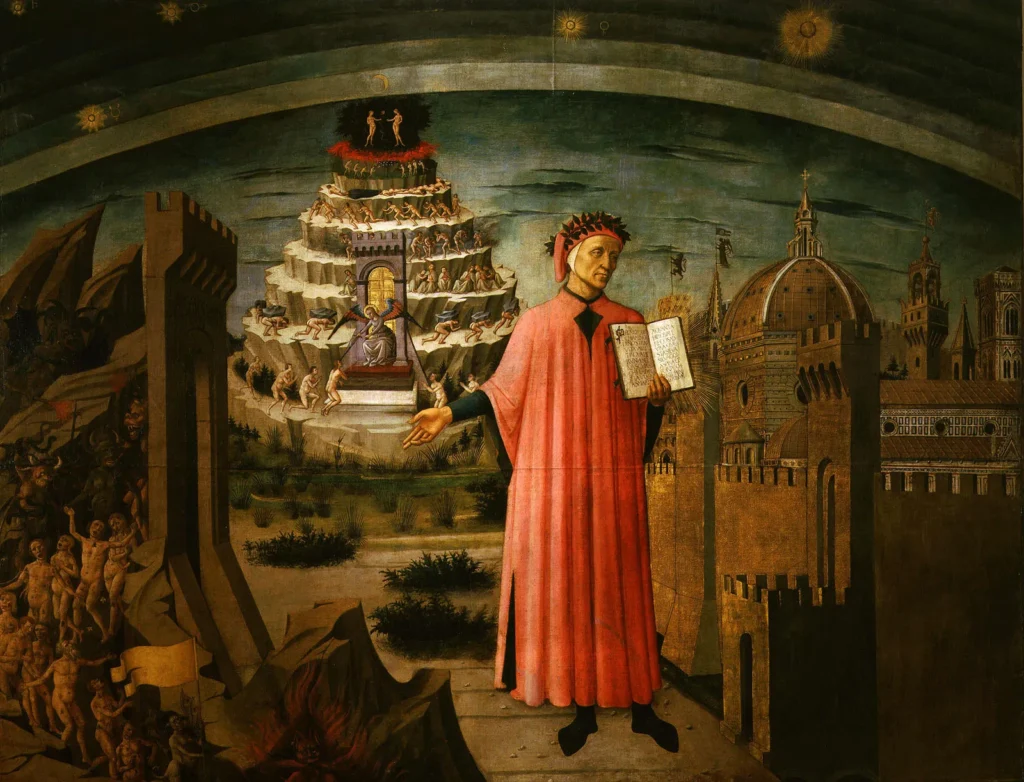
Dante’s Divine Comedy is a literary masterpiece that continues to captivate readers with its vivid depictions of the afterlife and its profound theological insights. As a work of Christian literature, it offers a unique vision of God’s justice and mercy as it invites readers to contemplate the ultimate destination of human souls. Through complex allegories…
Read MoreHow can we be like God? David Yeago on Genesis 45
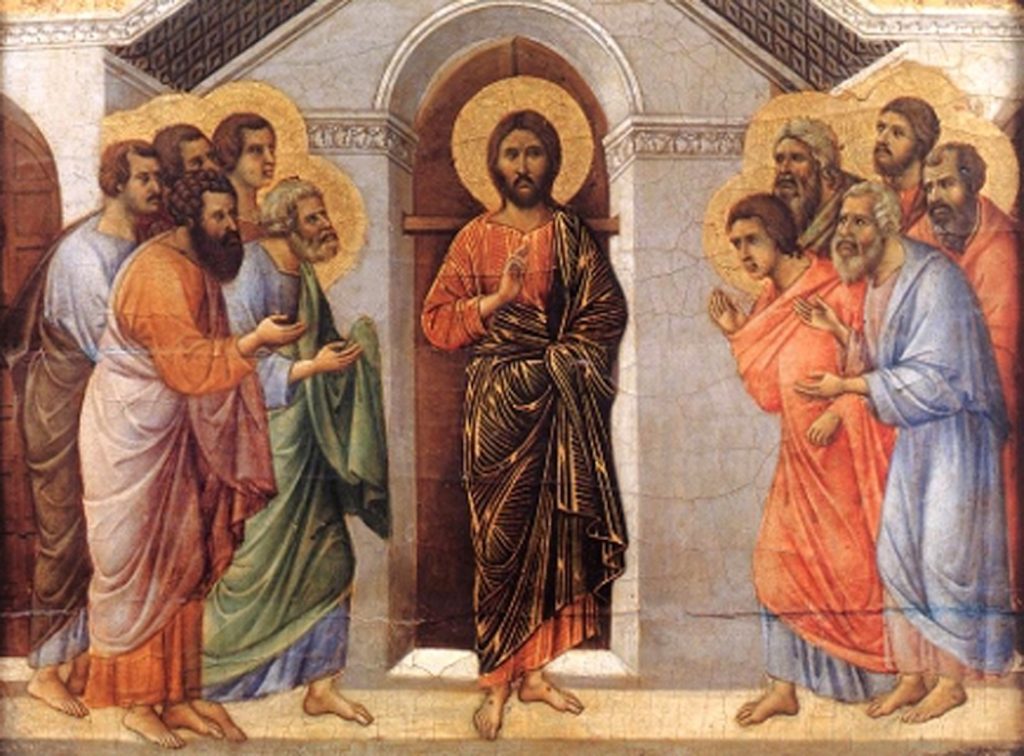
How can we be like God? This is the question that Dr. David Yeago asks as he preaches the story of Joseph in Genesis 45. Joseph is not simply an example of God-like mercy and forgiveness which is shown to his brothers after they have done evil to him. No, Dr. Yeago likens treating…
Read MoreNew Credo Podcast – Classical Theology and the Christian Life: Samuel Parkison and Ronni Kurtz

Why is classical theology meaningful for the Christian life? Classical doctrines like divine simplicity, divine satiety, or divine immutability can feel somewhat detached from our everyday life. However, they actually find their way into the Christian life and make it meaningful. They give beauty and stability to our day-to-day life. In this episode of the…
Read MoreCalvin’s Commentary on Seneca
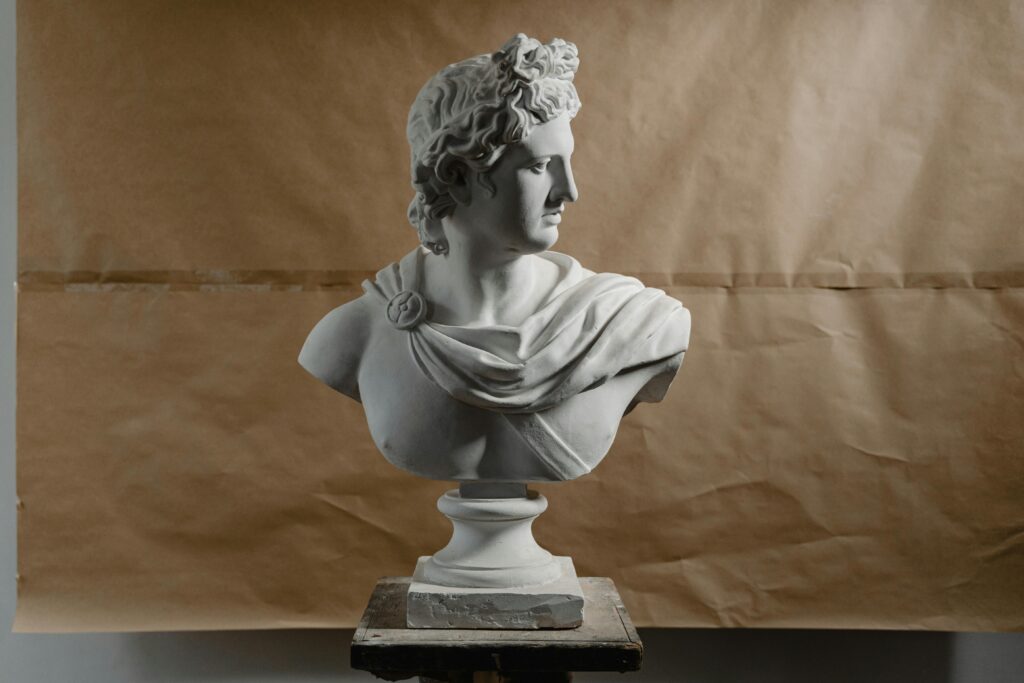
John Calvin was one of the most influential figures of the Reformation era in the 16th century. It is surprising that the Reformer’s first published work was not in theology, but in classical Roman literature. Calvin published his Commentary on Seneca’s De Clementia in Paris in 1532[1], which was 4 years prior to the publication…
Read MoreInferno, Canto 31
Dante’s Divine Comedy is a literary masterpiece that continues to captivate readers with its vivid depictions of the afterlife and its profound theological insights. As a work of Christian literature, it offers a unique vision of God’s justice and mercy as it invites readers to contemplate the ultimate destination of human souls. Through complex allegories…
Read MorePodcast Throwback: Credo Alliance – We Believe in the Holy Spirit
In this episode of the Credo Alliance, Credo Fellows John Fesko, Fred Sanders, and Scott Swain join Matthew Barrett to discuss the Holy Spirit and the eternal spiration of the Holy Spirit. They explore the historical and theological background of the Nicene Creed, and the implications of the Holy Spirit’s procession from the Father and…
Read MoreInferno, Translated by Jason Baxter
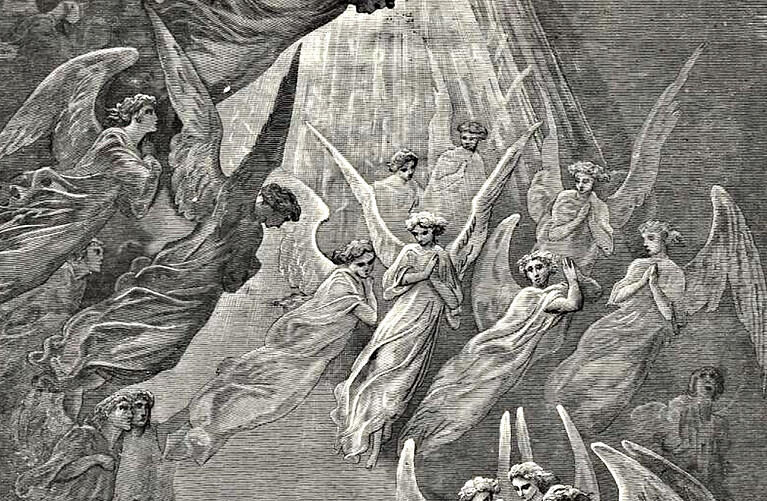
I do not know if late medieval Italy was more wicked than our age, but the Florentine poet Dante Alighieri (1265–1321) thought that his time was apocalyptically evil. Italy, once a cultivated “garden” of order and justice, had become a blasted moral wasteland, a dark, thorn-infested, noxious wood, lacking fruitful vegetation, like some heath out…
Read MoreWhy did the Reformed Scholastics read the classics?

In May of 1564, the great Reformer and theologian John Calvin drew his last breath. Perhaps it is historically simplistic to call the Reformer’s passing the end of an era. Nevertheless, his death symbolized the progress of the fledgling Protestant movement into a stage of critical maturation. First-generation Reformers Martin Luther and Huldrych Zwingli had…
Read More