
Posts by admin
2026 Credo Conference
Why I Became Anglican: The Liturgy
What happens when a Baptist theologian is confronted with the beauty of Anglicanism? Matthew Barrett, with this episode’s guest Greg Peters, discusses his recent move from the SBC to Anglicanism and describes Anglican’s beautiful, participatory, traditional and scripture-filled liturgy. Rev. Peters, priest and professor at Biola University and Nashotah House Theological Seminary, connects Barrett’s experience…
Read MoreHow to Think Like a Thomist: Form and Matter
In asking the question, one asks for the essences of things, or more simply, what they are. The ancient philosopher Plato called the answers to these questions the “forms.” Aristotle believed in the forms, but saw them as existing in things themselves. In this episode, you’ll learn how all things of nature are composed of…
Read MoreA Letter to Every Student: What If Education Moved Beyond the Love of Spectacle?
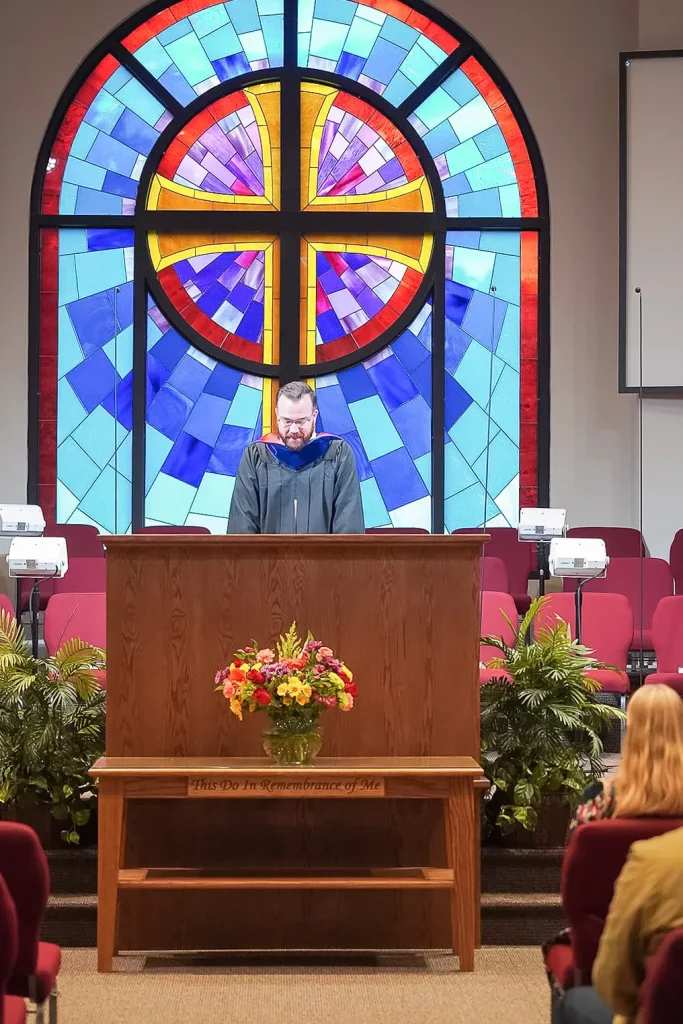
The following is the inaugural convocation address Dr. Matthew Barrett delivered at New Aberdeen College near Charlotte, NC. You can read the full address at Dr. Barrett’s substack.
Read MoreHow to Think Like a Thomist: Act and Potency
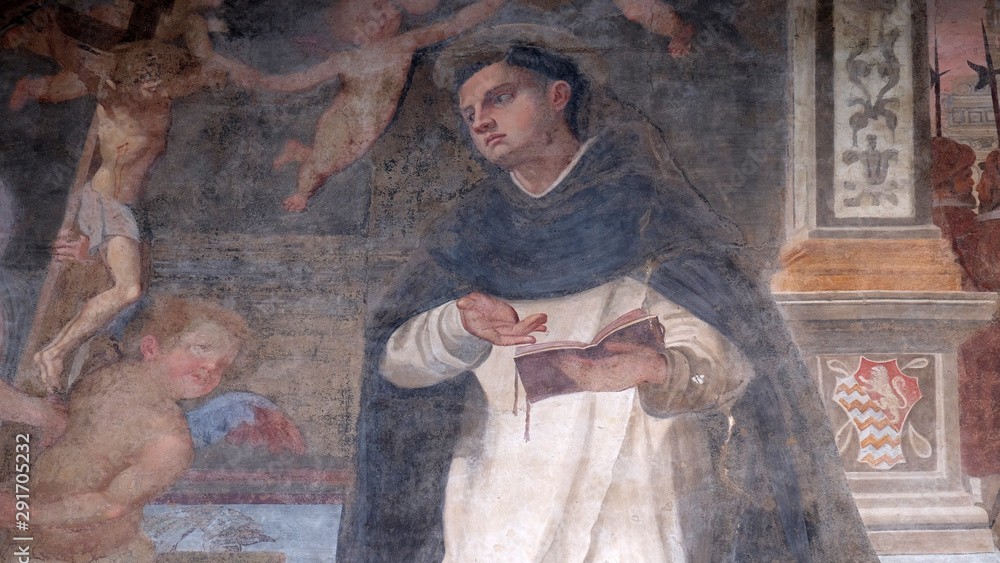
How can the water in a river always be flowing by and yet it remains the same river? By wrestling with this and various puzzles regarding change, Aristotle discovered the distinction between act and potency or actuality and potentiality. Aristotle realized that all the things in nature are a blend of act and potency, like…
Read MoreJohn 17 and the Covenant of Redemption

How can detailed discussions about Trinitarian processions and missions move you to greater love of God and understanding of scripture? In this episode of Credo podcast, Dr. Harrison Perkins, author of Reformed Covenant Theology: A Systematic Introduction, joins Matthew Barrett for an in-depth discussion of classical theology in John 17. Perkins outlines this passage as a…
Read MoreHow to Think Like a Thomist: Being and Metaphysics

What is reality? What is real? When we start asking these questions, we start our inquiry into being. Everything that has being is in some way one and unified, true or intelligible, good and thus desirable, beautiful and therefore pleasing. When we proceed further along these lines, we have arrived at the science of metaphysics.…
Read MoreHow to Think Like a Thomist: Argument and Dialectic

Everyday, we wrestle with differing opinions and truth claims. Are we left to despair that we cannot find a way through these conflicting claims? The calling of St. Thomas Aquinas was to pose all the most relevant questions, face all the most relevant difficulties involved in each question, and draw all the relevant distinctions. In…
Read MoreHow to Think Like a Thomist: The Principle of Non-Contradiction
Down through the ages, mankind has been on the search for truth. Is there such a thing as absolute truth? How can we know what is true? The principle of non-contradiction stands as a kind of witness that human beings can know something solid and true about reality as a whole. In this video, you’ll…
Read MoreLiterature in a Digital Apocalypse
Most of us recognize that modern culture overvalues utilitarian content that can be grasped quickly, but what can atone for this deficit of beauty? In this episode of Credo podcast, Matthew Barrett interviews Jason Baxter of Benedictine College on his new book, Why Literature Still Matters: Beauty After the Apocalypse. They discuss the role of…
Read MoreHow to Think Like a Thomist: The Science of Theology
Christian theology considers who God is in himself, in his own inner life. The mystery of the Trinity is the primary mystery in Christianity because it concerns who God is and the fact that God has willed to offer us knowledge of himself—even participation in his own divine life by grace. In this video,…
Read MoreSacramental Theology in the Book of Common Prayer
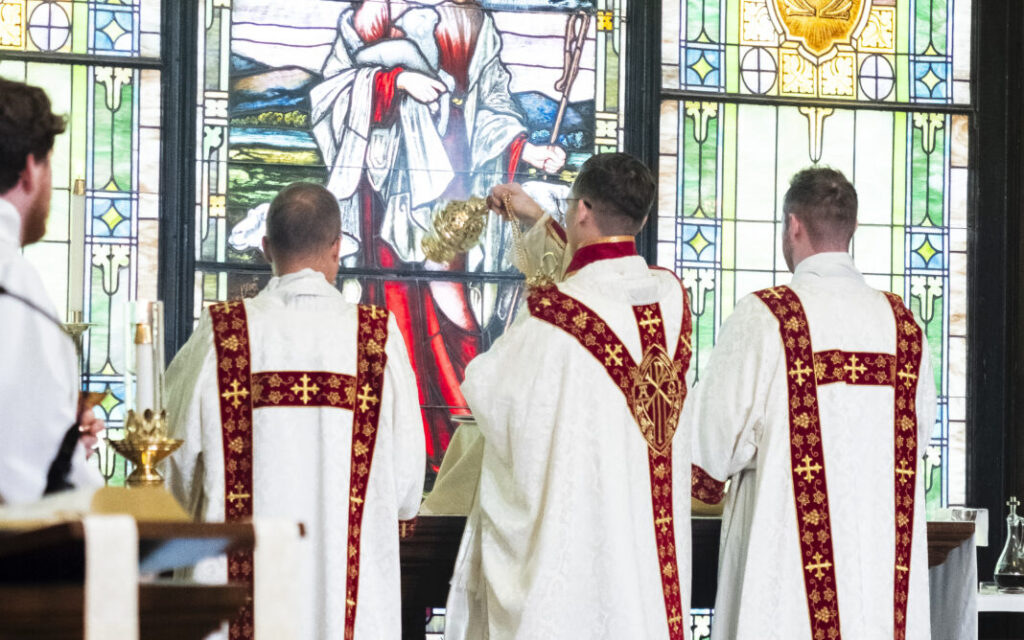
Communion in the Book of Common Prayer is a movement of ascent, as the Lord lifts us up into the very presence of Christ. The English reformers recited the sursum corda, calling on the church to lift up their hearts. And yet they simultaneously saw communion as a “participation” in the body and blood of…
Read More