
Posts by admin
How to Think Like a Thomist: Teleology

“The chicken does not exist only in order to produce another egg. He may also exist to amuse himself, to praise God, and even to suggest ideas to a French dramatist.” G.K. Chesterton, What’s Wrong with the World Following Aristotle, St. Thomas Aquinas speaks of the end or finality of a thing ― that…
Read MoreI am the resurrection: Classical theology in John 11
Jesus said, “I am the resurrection and the life.” And then he raised Lazarus from the dead. What does John 11 tell us about God and his governance of history? Matthew Barrett and Thomas Weinandy sit down together and ask how John 11 informs our understanding of classical theology. Thomas Weinandy has written a series…
Read MoreHow to Think Like a Thomist: The Four Causes
What all humans want to know is the causes of things; it is why one of the most important questions we can ask is, “Why?”. Following Aristotle, St. Thomas Aquinas thinks that there are four ways to answer this question. In this lesson, you’ll learn about Aristotle and St. Thomas’s answer to this question—the four…
Read MoreThe Reformation as Renewal: A New Class by Matthew Barrett
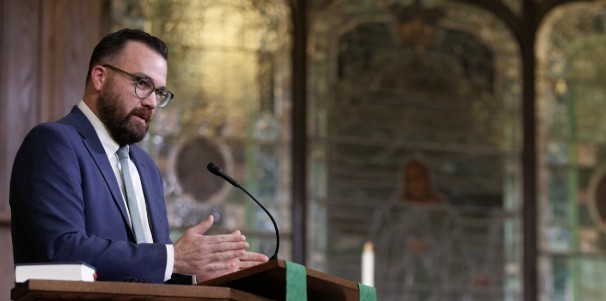
This January, join Trinity Anglican Seminary and Dr. Matthew Barrett as we explore the English Reformation in a 5 day intensive course. By analyzing primary texts, Dr. Barrett will lead us in an encounter with the thought and wisdom of these great reformers, especially in regards to their emphasis on catholicity. By analyzing their recovery…
Read MoreHow to Think Like a Thomist: Substance and Accidents

The world is not a place of static individuals, but of active realities. Thomas Aquinas thought that all of reality could be classified according to the distinction between substance and accident. For Aristotle and Thomas Aquinas, substances are not inert or static entities. Whatever exists is active, and the more being a thing has, the…
Read MoreHow to Think Like a Thomist: Nature and Natures
Is there such a thing as human nature, or is that simply a conventional idea? Think about an adolescent; that adolescent used to be a baby; that baby used to be an embryo. Then, you look at that same human being ten years later and it is an adult… and then later it is an…
Read MoreThe Legacy of Nicaea & the Future of Anglicanism
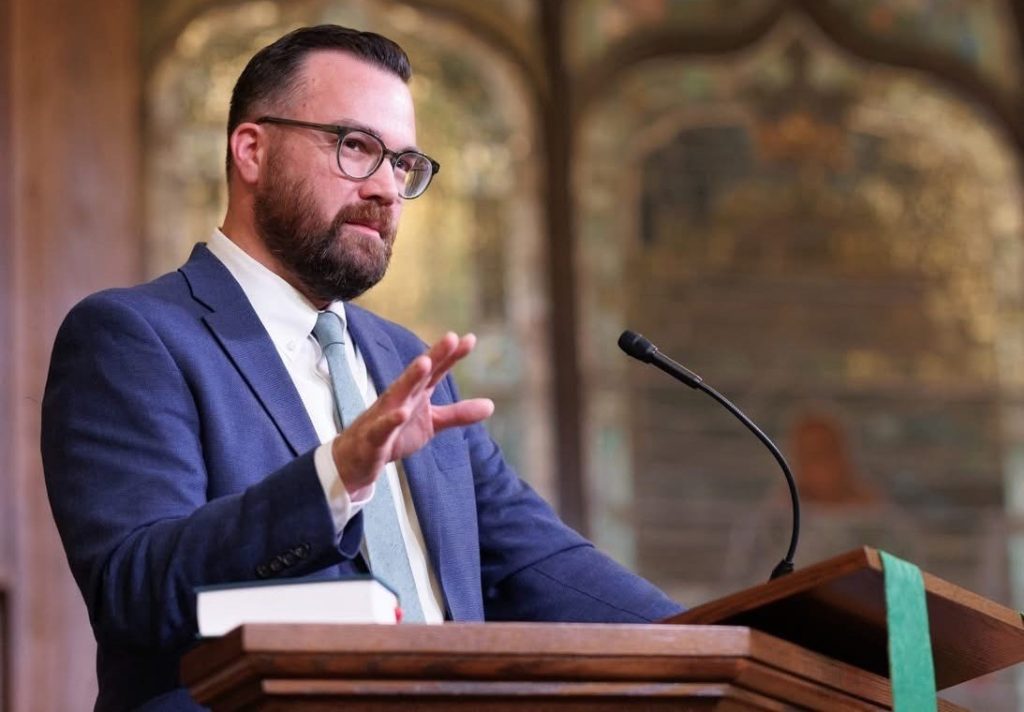
Dr. Matthew Barrett delivered the John H Rodgers Lecture Series at Trinity Anglican Seminary. You can read the lecture on Credo or Dr. Barrett’s Substack. Modern theology is marked by a radical redefinition of God, even a departure from the creeds of Christianity, and it has penetrated every corner of Christendom. In this John Rodgers…
Read MoreHow to Think Like a Thomist: Universals and Particulars, Genus and Species
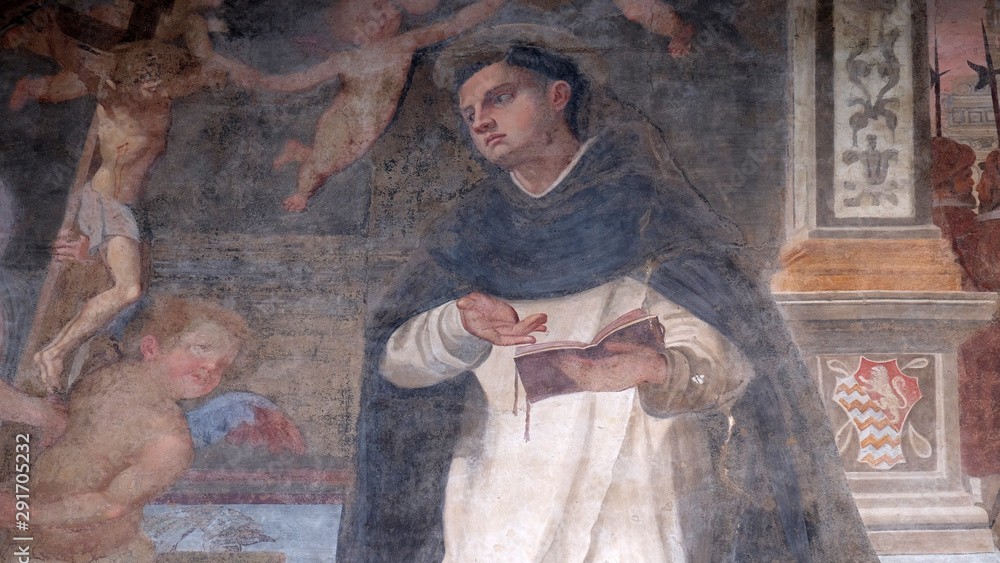
“Each stage of cognitive development is grounded in the previous stage and the structure of the world itself helps us to ascend from the Cave of Ignorance. It is only because the world offers a course along which man’s inquiries can run that his desire to know has any hope of being satisfied.” – Jonathan…
Read MoreNicaea and the Future of Anglicanism
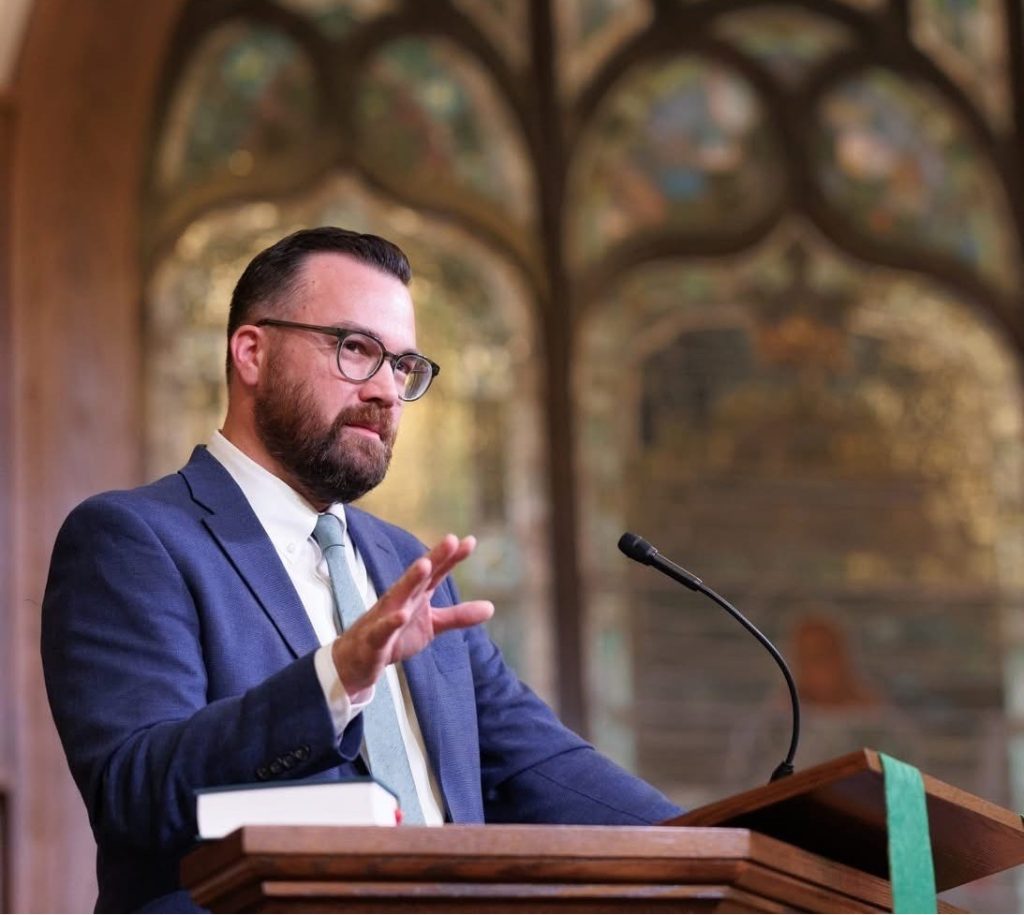
On October 30th Matthew Barrett delivered the John Rodgers Lecture series at Trinity Anglican Seminary. Dr. Barrett is Research Professor of Theology at Trinity Anglican Seminary. He is Theologian-in-Residence for Anselm House at St. Aidan’s Anglican Church. He is the author of award winning books, such as Simply Trinity (Baker) and On Classical Trinitarianism (IVP Academic). He is currently writing…
Read MoreHow to Think Like a Thomist: The Real Distinction
If everything in this world that we experience receives its existence from another, then it can only be explained with reference to the others that cause it to be. Now, regardless of how far back along this causal chain you pass the buck, you cannot have an actual infinite series of these causes. There…
Read MoreHow to Think Like a Thomist: Essence and Existence
The Pre-Socratics tried to explain everything as elemental fire or water or spirit. Many contemporary scientists try to explain everything as ordered bundles of chemicals, molecules, and atoms. The problem here is that these building blocks themselves are diverse. How do we account for that? The attempt to reduce everything to material bits is ill-fated.…
Read MoreWhy I Became Anglican: Holy Eucharist
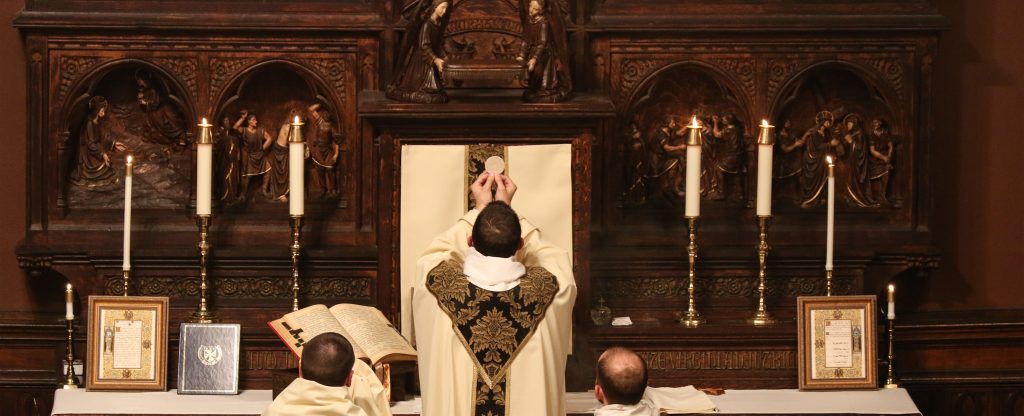
In this episode of Credo podcast, Matthew Barrett and Rev. Greg Peters continue their conversation about Anglican distinctives, captured in Greg’s new book, Anglican Spirituality: An Introduction. Barrett and Peters focus in on the Eucharist, or Holy Communion, and why it truly is a means of grace, making it a true sacrament. For Peters, the…
Read More